

1.Enhance Safety & Mitigate Risks: Cranes bear heavy loads year-round. Key components (steel ropes, hooks, brakes, load-bearing structures) are prone to wear, fatigue or corrosion during lifting, luffing and rotating. Regular inspections detect early hazards (e.g., broken rope strands, worn brakes, weld cracks, hydraulic leaks), preventing fatal accidents like falling loads or structural collapse, and safeguarding personnel and property
2.Ensure Production Continuity: Sudden crane failures disrupt operations—port crane issues delay containers, factory crane breakdowns halt production lines, causing heavy losses. Inspections capture early fault signs (abnormal noises, precision deviations), enabling planned maintenance during off-peak hours and avoiding unplanned shutdowns.
3.Prolong Service Life & Optimize Assets: As high-value assets, cranes’ lifespan depends on maintenance. Inspections combine troubleshooting with targeted care (lubrication, rust-proofing, fastener tightening), slowing wear, preventing chain damage, extending service life and maximizing ROI.
4.Comply with Regulations: As special equipment, cranes are subject to strict laws and industry standards that mandate regular inspections and proper record-keeping. Non-compliance may result in fines, revocation of operational qualifications, or legal liabilities.
5.Control Costs & Boost Efficiency: Regular inspections are low-cost prevention. Minor hazards cost little to fix, but major failures incur high repair, shutdown and compensation costs. Inspections enable fault early warning, budget planning and stable cash flow.
6.Maintain Performance & Quality: Crane performance (accuracy, speed, stability) degrades over time, affecting work quality. Inspections calibrate parameters, ensuring compliance with design standards and reliable hoisting/handling efficiency.
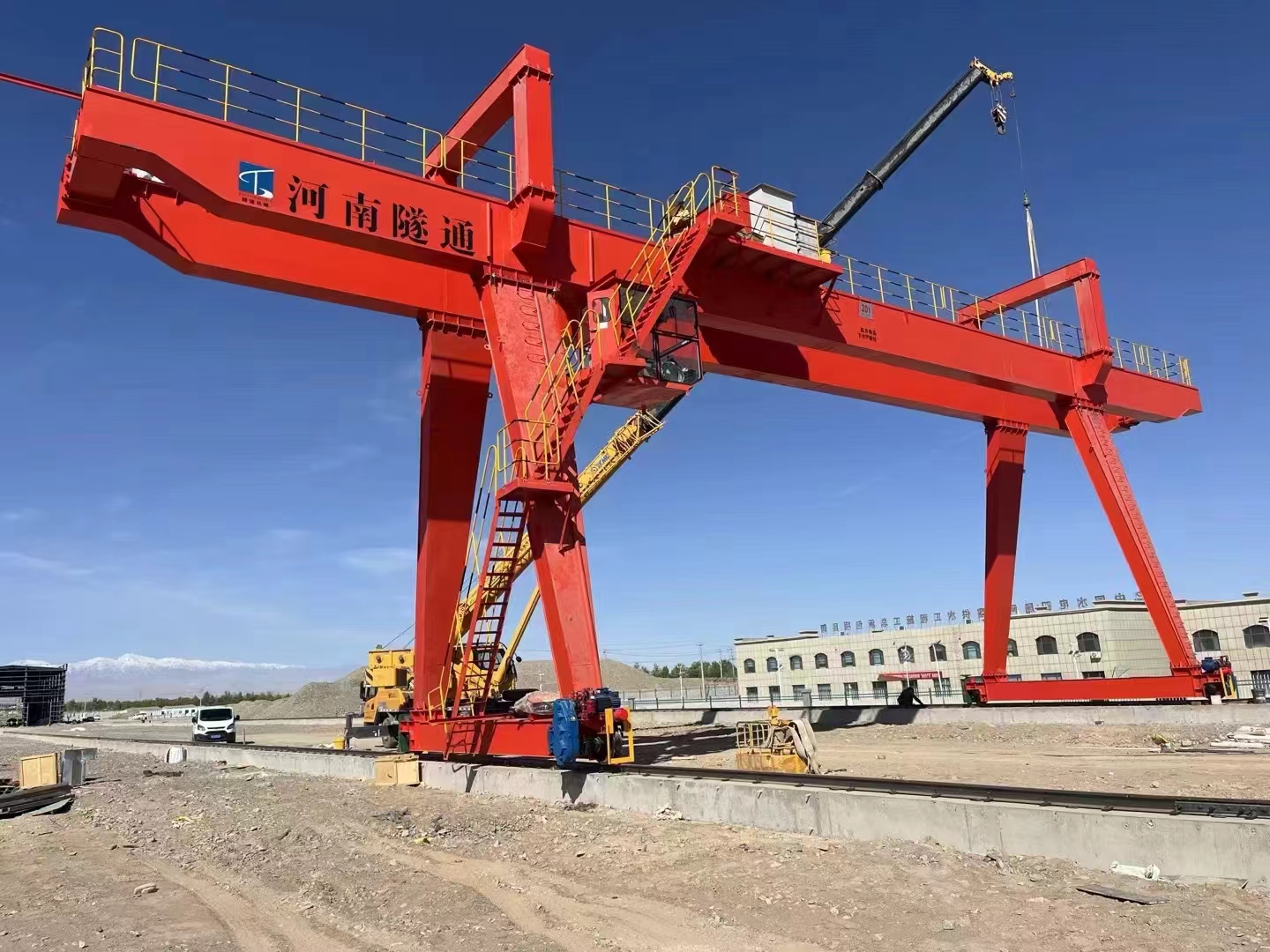
7.High Site Utilization: Gantry cranes’ unique structure maximizes ground space, facilitating large component entry and placement.
Note: Inspections should align with equipment type, environment and operation intensity, defining priorities for daily, monthly, quarterly checks and annual overhauls to ensure effectiveness.
CONTACT
Be the first to know about our new product releases and latest news articles.Do you have any questions or requests?
Click below and we'll be happy to help. CONTACT