In factory workshops, ports and construction sites, cranes are core hoisting equipment. Their safe operation is critical to personnel safety, equipment integrity and production efficiency. Collision accidents are major hazards, possibly causing equipment damage, cargo falling and injuries. As key risk-mitigation equipment, crane anti-collision devices build a safety barrier via precise detection, intelligent judgment and timely intervention. This article analyzes their technical characteristics and application logic from three aspects: working principles, core functions and selection criteria.
I. Working Principles: Safety Empowerment by Diversified Detection Technologies
Crane anti-collision devices collect distance and position data between the equipment and obstacles via sensors, analyze risks through a controller, and trigger protective actions. Core principles of mainstream devices by detection technology are as follows:
(I) Infrared Anti-Collision Devices
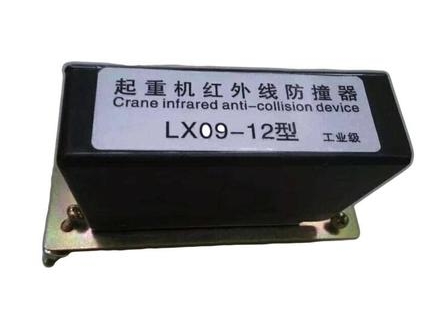
Based on infrared linear propagation, they use active detection: transmitters emit near-infrared beams, which reflect off obstacles and convert to electrical signals for distance calculation. Simple and low-cost, they are vulnerable to rain, snow and strong light, requiring regular cleaning for stability. Suitable for basic indoor protection.
(II) Laser Anti-Collision Devices
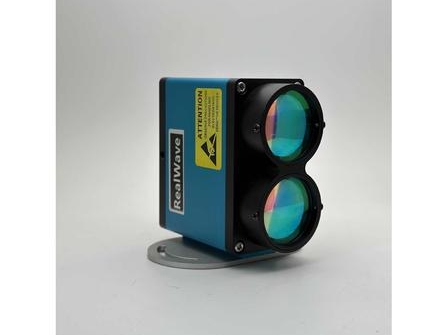
Using laser for high-precision distance measurement, they scan with laser beams, receive reflections and calculate distances accurately (cm-level). With fast response and strong resistance to light/dust, they have a detection range over 30 meters. Stable after calibration, ideal for precision-demanding complex workshops.
(III) Microwave Radar Anti-Collision Devices
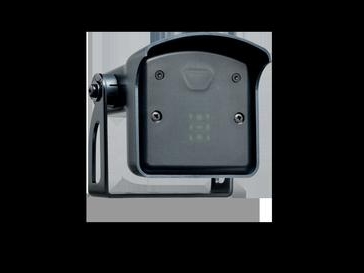
Microwave radar enables all-weather detection, penetrating dust, rain and snow with excellent environmental adaptability, suitable for metallurgy and mining. They support multi-target recognition (avoiding false triggers), multi-device networking, adjustable range (0-100m) and high reliability.
(IV) Intelligent Visual Anti-Collision Devices
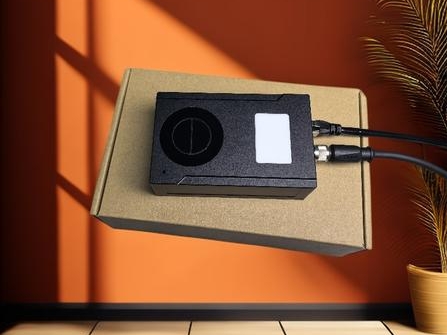
Integrating cameras and AI, they collect real-time images, identify targets and calculate collision risks via 3D modeling. They prevent equipment collisions and warn of personnel in danger, fitting smart/unmanned workshops. However, they need high-end hardware/software and cost more.
(V) Mechanical Buffer Anti-Collision Devices
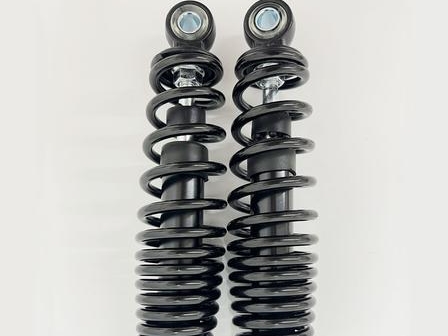
Traditional physical buffers (spring, polyurethane, hydraulic) absorb collision energy to reduce damage. Spring-type for low-speed equipment; polyurethane for frequent collisions; hydraulic for high-speed/heavy-load cranes. Mostly auxiliary, paired with electronic devices for dual protection.
II. Core Functions: Full-Chain Control from Risk Warning to Active Protection
Their functions focus on "early warning, hierarchical intervention and safety fallback", minimizing collisions via multi-dimensional protection. Core functions include:
(I) Real-Time Monitoring and Distance Feedback
Sensors collect real-time environmental data, calculate distance/relative speed to obstacles, and transmit to controllers/panels for operator reference. High-end models upload data to PLC/DCS for remote monitoring and traceability.
(II) Hierarchical Safety Intervention
Hierarchical protection avoids inefficient single shutdown: Level 1 (audible/visual alarm) reminds operators; Level 2 (automatic deceleration) extends reaction time if unresponsive; Level 3 (emergency shutdown) cuts power to prevent collisions.
(III) Multi-Scenario Adaptive Protection
It provides precise protection for different crane mechanisms and scenarios: avoiding bridge/trolley collisions for overhead cranes, multi-tower interference for tower cranes, and outdoor hazards for port cranes. Customizable safety thresholds meet diverse needs.
(IV) Anti-Interference and Fault-Tolerant Protection
With strong anti-interference (filtering, signal encryption), they ensure accurate data and avoid false/missed triggers. Fault-tolerant design alarms promptly for sensor/circuit malfunctions, guaranteeing system reliability.
III. Selection Criteria: Adapting to Scenario Needs, Balancing Performance and Compliance
Selection must consider scenarios, equipment parameters, environment and standards, balancing performance, adaptability and compliance to avoid blind choices. Key criteria are:
(I) Selection Based on Operational Scenarios and Environmental Conditions
For harsh outdoor/humid/dusty environments, choose IP67+ devices (microwave radar/laser). Infrared suits low-precision indoor scenarios with limited budgets. Microwave radar is best for extreme conditions; intelligent visual for smart workshops. Hydraulic buffers assist high-speed/heavy-load cranes.
(II) Matching Core Performance Parameters
Match detection range/precision to needs: diffuse infrared (0.1-5m, ±2mm); laser/radar (5-30m, ±1% error). Response time (≤0.5ms for ≥1m/s; ≤1ms for low speed) and refresh rate (≥100Hz for high speed) matter. Ensure signal compatibility with control systems.
(III) Compliance with Industry Standards and Regulatory Requirements
Comply with standards (e.g., TCCMA 0061-2018 for tower cranes) and regulations. Ensure certifications (CE) and qualification certificates to avoid non-compliance risks.
(IV) Considering Installation and Maintenance Costs
Choose installation methods matching crane structures. Evaluate full-cycle costs: infrared needs lens cleaning; mechanical buffers need wear checks; visual devices need algorithm/camera maintenance.
(V) Considering Scalability and Compatibility
Prioritize scalable, compatible models for future upgrades/networking. Ensure seamless connection with existing control systems, reserving space for intelligent upgrades.